CREATIVE EVENT LIGHTING DESIGN FOR HOLLAND & KNIGHT LAW OFFICES


Crafting a special event through the magic of lighting design is what we do.

For the law offices at Holland & Knight in Washington DC we had the perfect strategy with our signature TUBIX LED Bars and CUBIX Cubes.


What started as a generic glass office transformed into a gleaming beacon of modern light.

The TUBIX LED Bars livened up the space sparking chromatic reflections as the dynamic animations rippled up and down the walls.

The CUBIX Cubes provided their own geometric reflection as glowing cocktail tables throughout the space.

Everything setup in mere minutes while elevating the occasion with a fresk take on creative event lighting design.


LEARN MORE • TUBIX LED Bars
Learn more • CUBIX Cubes


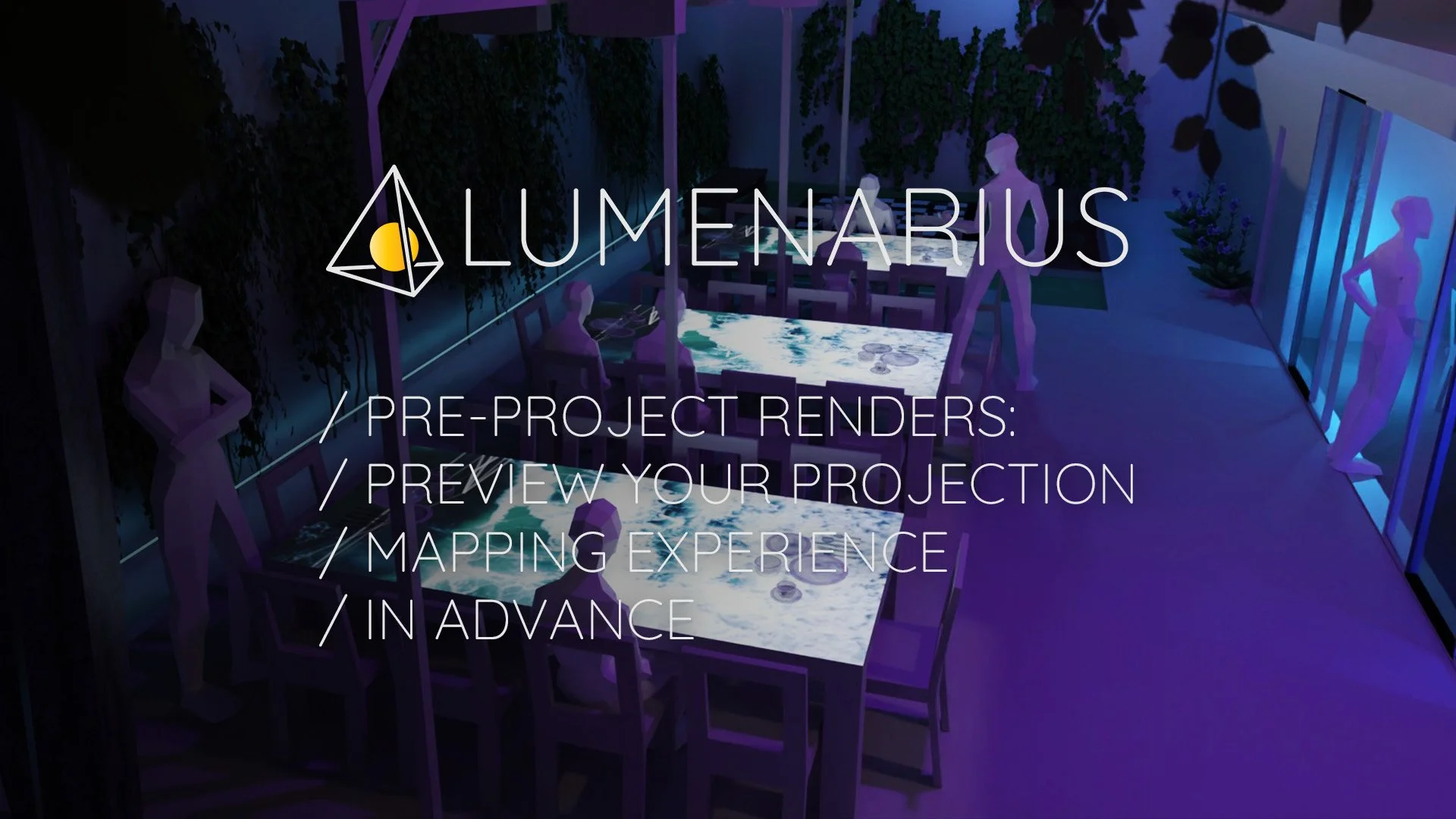
PRE-PROJECT RENDERS: PREVIEW YOUR PROJECTION MAPPING EXPERIENCE IN ADVANCE


Experience your vision before it becomes reality.

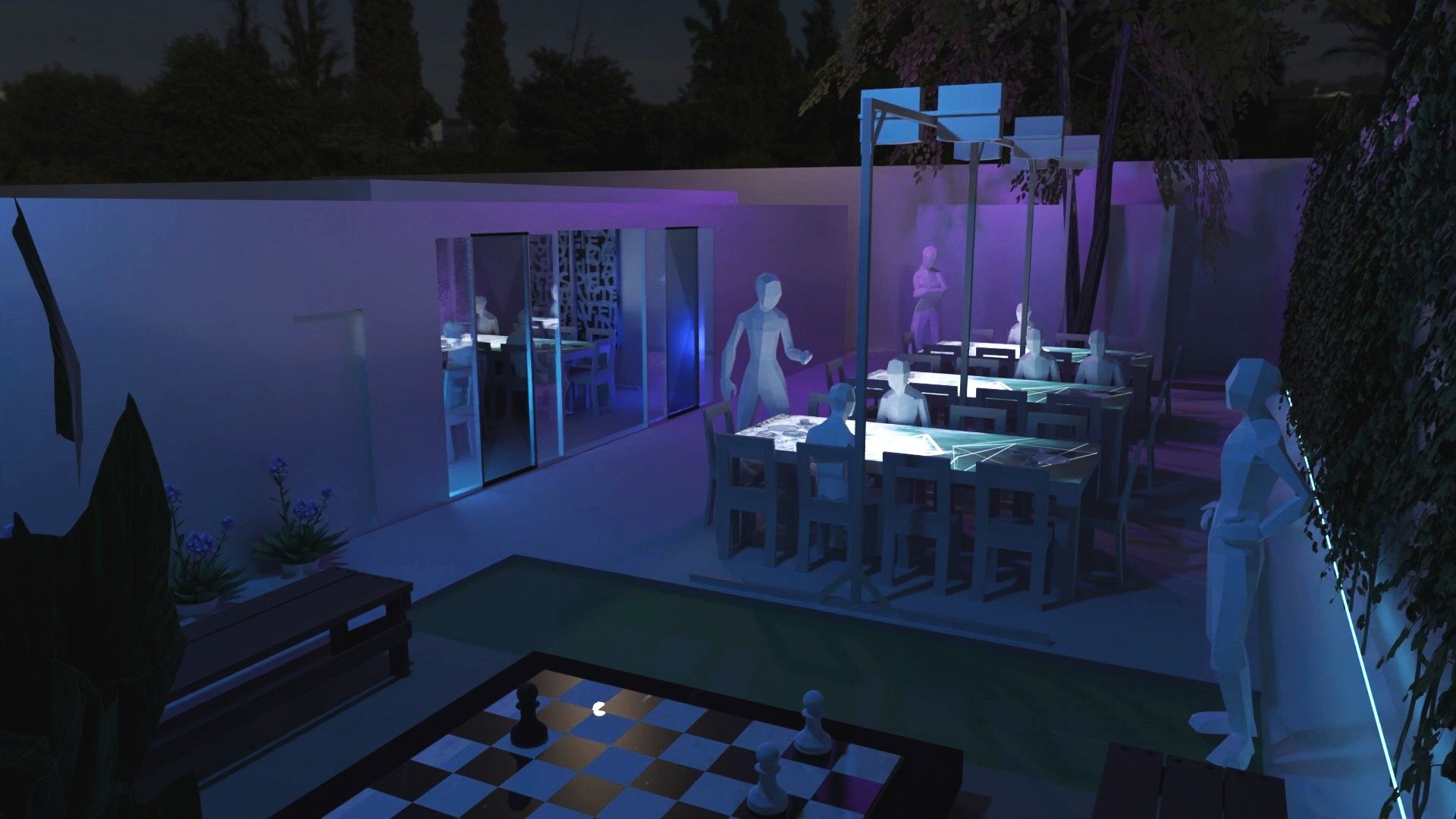
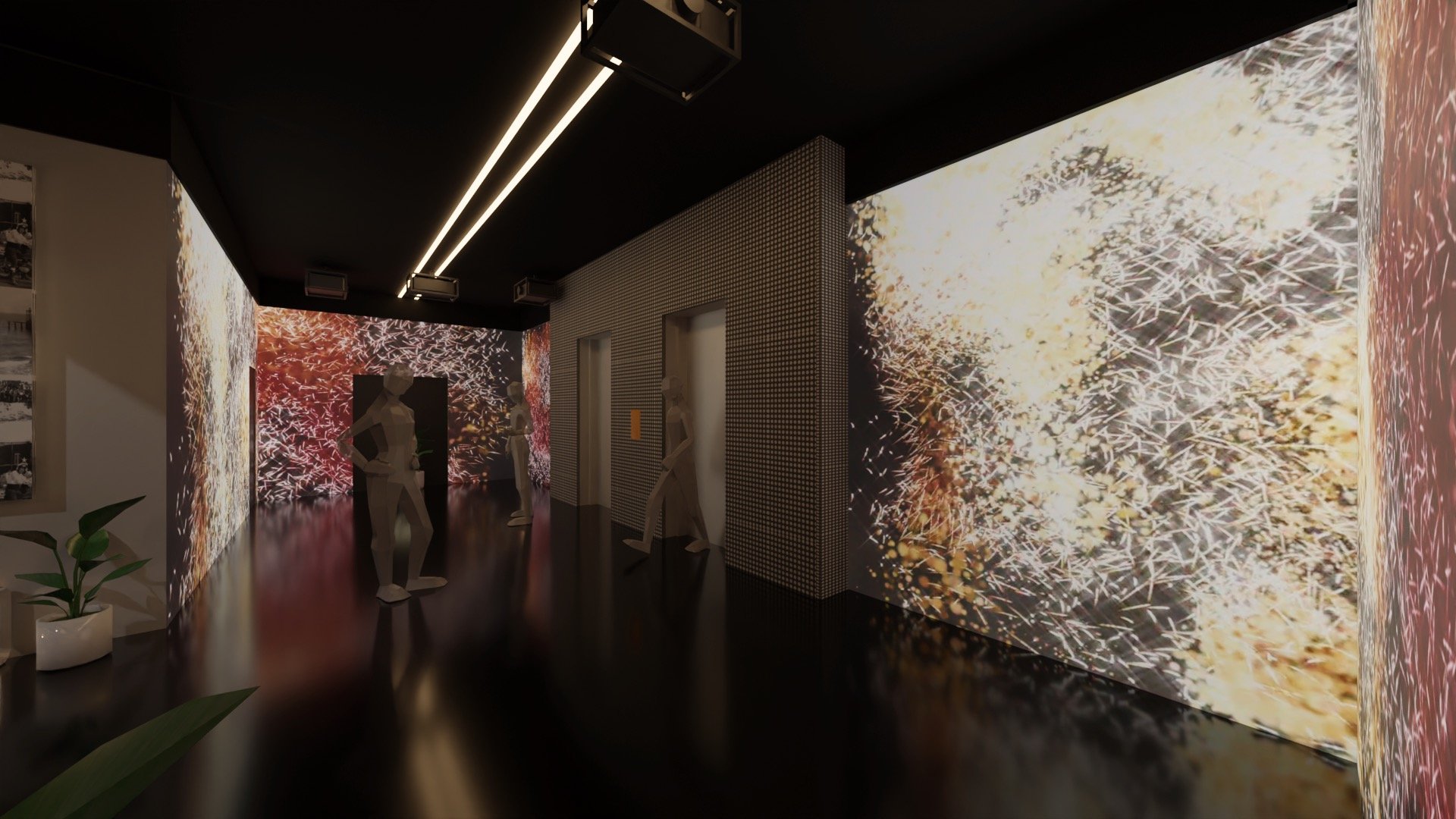
At Lumenarius, our Pre-Project Render service offers clients the opportunity to visualize their projection mapping projects before implementation.

By creating photorealistic images and videos based on precise measurements and layouts, we provide a tangible preview of the final outcome.

Shown on this page are a handful of our best examples of this service.


This service streamlines the approval process by offering a clear visual representation that is more effective than textual descriptions. It facilitates collaboration among various teams, ensuring alignment and expediting decision-making.

Our clients have found that these previews help convey the project's vision to stakeholders who may find it challenging to imagine the end result, reinforcing the adage that seeing is believing.

Accurate measurements of the space are crucial to the success of this service. While our renders are highly realistic, it's important to note that slight variations may occur between the renderings and the final installation.

Nonetheless, by bridging the gap between expectation and reality, our Pre-Project Renders have garnered positive feedback from numerous clients, enhancing confidence and satisfaction in the project's outcome.


12K RESOLUTION PROJECTION MAPPING VISUALS FOR IMMERSIVE ART SHOW WITH SENSEBELLUM


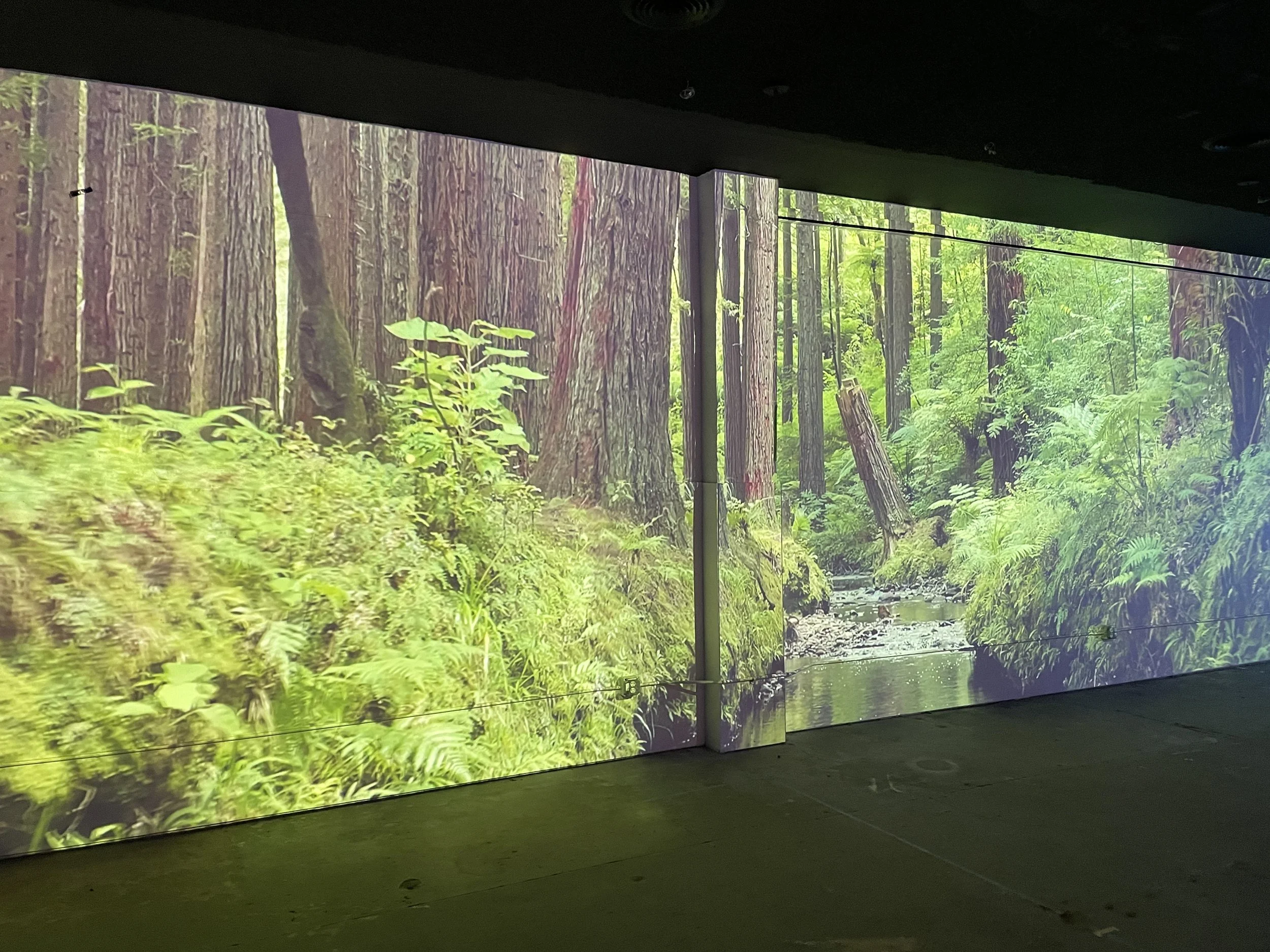
Lumenarius, in collaboration with the sister company Sensebellum, showcased a groundbreaking immersive projection mapping experience at the 2024 edition of JUMP's "Illumibrate" festival of color and light.

In a historic feat, the Lumenarius team deployed a record 12K resolution projection that enveloped the walls of the SKIP building’s art gallery.

The visuals were meticulously crafted in professional 3D programs like Blender, ensuring they were not only 100% unique but also seamlessly integrated with the building's architecture.


Featured displays included breathtaking concepts such as viewing Earth from space, which beautifully illustrated the harmony between the natural and digital realms.

This project served as a visionary example of humanity's future possibilities. In addition to the immersive projections, visitors experienced award-winning interactive artworks at the center of the gallery.

The event attracted over 10,000 attendees, all responding with enthusiasm to the innovative fusion of art and technology.


MORE • CONTENT CREATION


UNDERSTANDING THE DIFFERENCE BETWEEN 3LCD, 1DLP, & 3DLP PROJECTORS


When choosing a projector, especially for uses like projection mapping, the type of display technology can make a huge difference in how the visuals are perceived.

While most people might not notice subtle differences, if you’re working on projects that involve dark imagery—like a starry sky in a planetarium or a title screen with white text on a black background—those details matter.

Let’s break down the key differences between 3LCD, 1DLP, and 3DLP laser projectors in a way that’s easy to understand.


3LCD Projectors:
Common but Limited in Black Levels


3LCD projectors are widely used and are often considered a reliable, cost-effective option for most projection needs.

These projectors use three liquid crystal displays (LCDs) to create the image, one for each primary color—red, green, and blue. While they deliver vibrant colors and are usually bright enough for most applications, there’s a noticeable downside when it comes to projecting dark content.

The Issue: If you're projecting black—or something close to black, like a dark background—you may notice a slight grey or hazy tone. This happens because 3LCD projectors filter light, rather than fully blocking it, so some light “leaks” through. This becomes especially obvious in dark environments or in projects where multiple projectors overlap images, like in projection mapping or domes. It can break the illusion and make the projector seem lower in quality, even when the content is actually great.

When it’s Not a Problem: In brightly lit environments or with bright, colorful visuals, this issue goes away. Most users—about 90%—will likely never notice the difference, especially if they aren't focused on dark imagery.

See the slightly grey rectangles when the content is completely dark?

Same projectors, but no grey rectangles when bright content is displayed.


1DLP Projectors:
A Step Up with Some Trade-offs


1DLP projectors offer a middle ground between 3LCD and high-end options like 3DLP.

Instead of using LCD panels, they rely on a single Digital Light Processing (DLP) chip to reflect light and create the image.

The Advantage: 1DLP projectors handle blacks a bit better than 3LCD, as they reflect light instead of filtering it. While you won’t get a perfect black, the image is typically sharper and less prone to the haziness seen with 3LCD projectors.

The Trade-off: One potential downside of 1DLP projectors is what’s called the "rainbow effect." If you move your head quickly or capture the projection on a camera, you might see brief flashes of rainbow-like colors. This happens because the projector cycles through colors so fast that some people can perceive the separation of colors, especially in high-contrast scenes. It’s not as common as with older models, but it can still be a concern for sensitive viewers or in specialized settings.

How 1DLP looks to the human eye.

How 1DLP can look to a camera eye.


3DLP Projectors:
The High-End Solution


For projects where black truly needs to be black, 3DLP projectors are the gold standard.

Instead of a single DLP chip, these projectors use three—one for each primary color; red, green, and blue. This setup allows for far better control over the light, leading to much more accurate blacks.

The Big Advantage: Unlike 3LCD, 3DLP projectors use tiny mirrors to physically redirect light when displaying black. This ensures that no light “leaks” through, which means you get deep, rich blacks and a cleaner image. This technology is especially valuable in high-end environments like planetariums or any situation where dark visuals are key.

The Drawback: Cost. 3DLP projectors can be significantly more expensive—sometimes 5 to 10 times more than their 3LCD counterparts. While the improved performance is worth it in specialized settings, most people don’t need this level of precision for everyday use.

3DLP, when projecting a completely black image there are no hazy rectangles.
Just how we want it!


Summary:
Pros and Cons


Conclusion:
Which One Should You Choose?


If you’re working on a project where deep blacks and high image quality in dark scenes matter—such as in a planetarium or high-end projection mapping—3DLP is the clear winner.

However, for most general purposes, a 3LCD projector will do the job just fine, especially for bright, colorful content.

Keep in mind that while 3DLP offers superior performance, the significant price increase may not be necessary unless your project demands the best in black-level performance.


FULL DOME PROJECTIONS: INNER LINER VS GEODESIC STRUTS


Choosing the right type of cover for a full dome projection mapping experience is essential.

At Lumenarius we specialize in geodesic dome projection mapping shows and have successfully elevated events of all types through the creative application of light.

One of the most common questions we get is: “What type of cover should we use for the show?”

In this article we will explore the differences in aesthetics, costs, and operations between the two most popular styles:
• Negative Pressure Inner Liner
• Visible Geodesic Struts


Negative Pressure Inner Liner

The negative pressure inner liner is a comprehensive projection solution that features a dual-layer system. It consists of an exterior cover and an internal liner, allowing for perfectly uniform surface characteristics. This setup enhances image quality significantly, making it ideal for cinematic experiences where clarity and detail are paramount.

However, it's worth noting that the costs associated with this type of dome and its projection technology are higher, and it requires more extensive maintenance and technical expertise to manage effectively.

Kohler at Salone del Mobile


Visible Geodesic Struts

In contrast, the exposed geodesic strut design showcases the structural framework of the dome, with the exterior cover being the sole surface for projection. This option is generally more cost-effective, as both the dome and its projection system come at a reduced price. The unique design can add an interesting aesthetic dimension, especially if the projected content interacts creatively with the triangular struts.

However, this configuration may not deliver the same level of image quality for cinematic purposes, as the visibility of the struts can slightly obscure parts of the projection, detracting from the overall experience.

Ember Lounge
Villa Fleur Immersive Dome


more • Dome Content Creation
 

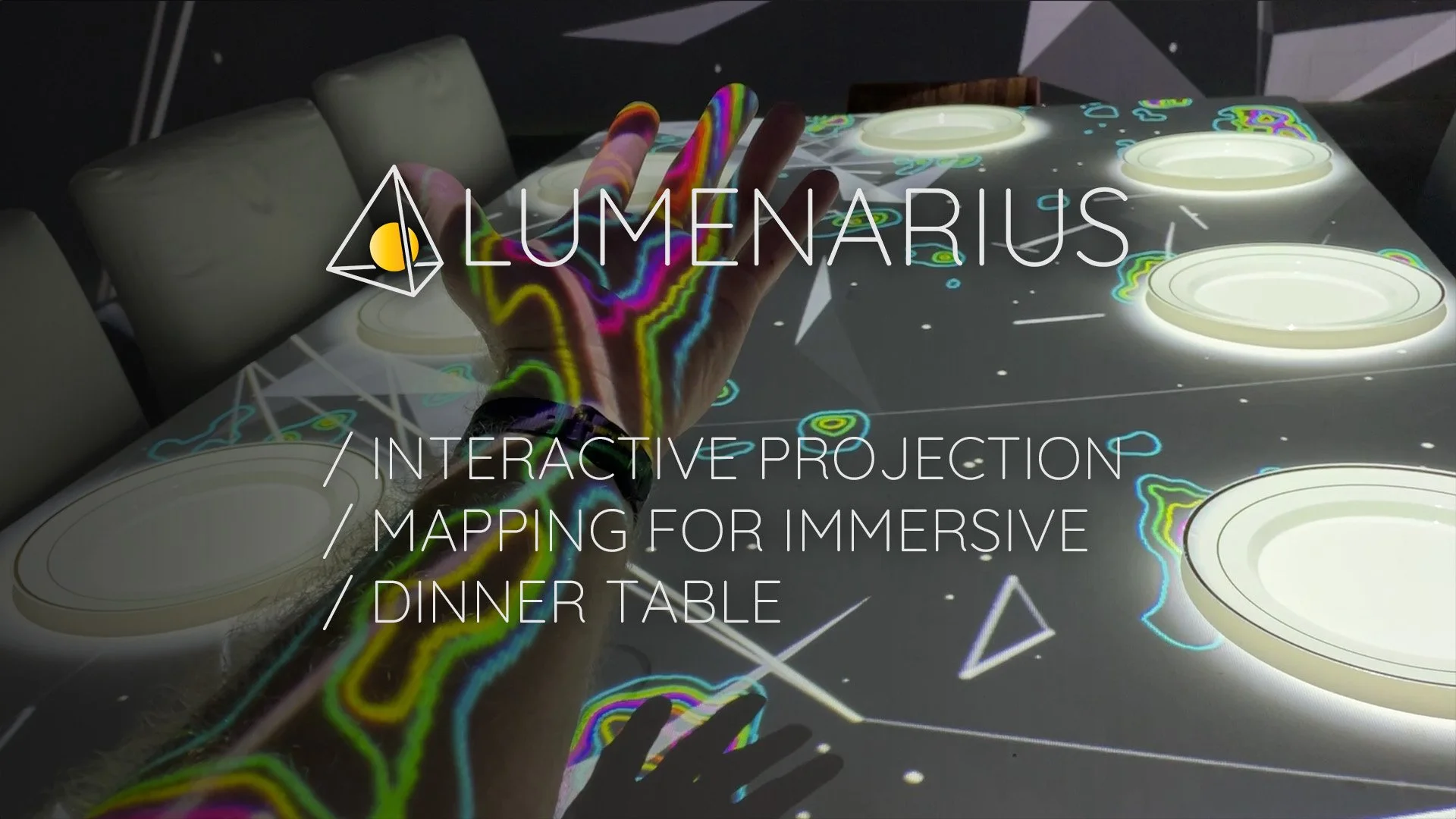
INTERACTIVE PROJECTION MAPPING FOR IMMERSIVE DINNER TABLE


At Lumenarius, we blend technology and lighting to create magical experiences, in this case through interactive projection mapping.

In a recent project, we designed an immersive dinner table where a 3D camera tracks hand movements, drawing colorful topographic lines in real-time.


Imagining applying this innovative technology to retail displays, museum exhibits, or live performances opens up a world of possibilities to enhance visual appeal and engage audiences in unique ways.


MORE • Immersive Dinner Table


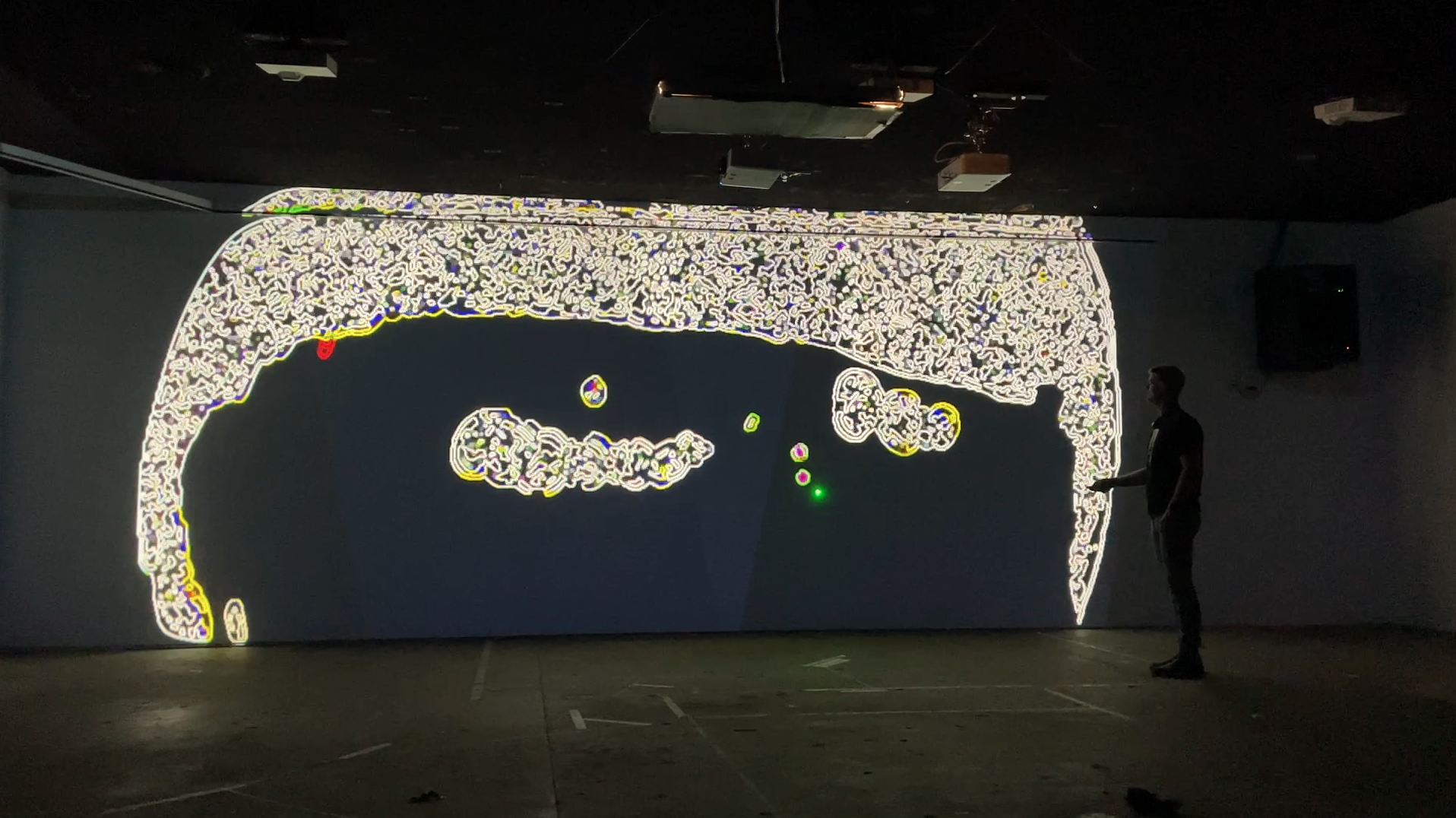
INTERACTIVE LASER BASED PROJECTION MAPPING INSTALLATION


Interactive projection mapping art offers a dynamic experience that captivates viewers with its replay value and wow factor, making each encounter unique and engaging.

The ability to create endless possibilities for interaction elevates the overall experience, transforming spaces into immersive works of art that continually surprise and inspire.


Lumenarius recently delved into the SKIP studio at JUMP, immersing in classic video feedback-based interactive projection systems. Within this experimental space, laser sparks ignited visuals which shadows had the power to erase, creating a dynamic interplay of light and darkness.

This exploration opens up a realm of endless creative possibilities, enabling us to push the boundaries of interactive art installations.

The awe-inspiring nature of watching visuals materialize and vanish at the whim of shadows evokes a sense of wonder and control, transforming the audience's passive observation into active participation in the artistry.


FROM ORDINARY TO EXTRAORDINARY: HOW PROJECTION MAPPING ELEVATES LIVE EVENTS


In the ever-evolving landscape of live events, standing out has never been more crucial.

At Lumenarius, we offer unmatched projection mapping services that elevate events into unforgettable experiences.

Our expertise and dedication to pushing the boundaries of what's possible set us apart, ensuring that your event captures the imagination of all who attend.


Why Projection Mapping is Your Event's Game-Changer


  1. Visually Unforgettable: Projection mapping leaves a lasting visual imprint, turning the ordinary into the extraordinary and ensuring that your event stands out in the minds of your guests long after it concludes.

  2. Draws Attention: It acts as a visual magnet, drawing in onlookers from afar and creating a buzz that extends beyond the physical confines of the event.

  3. Beyond Creativity: By animating architecture and surfaces in ways that defy expectations, projection mapping breaks free from the constraints of traditional screens, offering a truly unique spectacle.

  4. Cost-Effective: This technology allows for the activation of vast spaces with captivating visuals at a fraction of the cost of large-scale LED installations, providing substantial savings on your budget.

  5. Brand Integration: Seamlessly weave your brand's identity into the fabric of the event environment, reinforcing your message and enhancing brand recall among your audience.

  6. Minimal Footprint: Unlike bulky LED panels, projection mapping requires minimal physical setup, preserving the aesthetics of your venue while delivering stunning visuals.

  7. Adaptable: The technology's versatility allows it to conform to any surface, turning even the most complex architectural features into canvases for storytelling.

  8. Immersive: Create an enveloping atmosphere that transports your audience, making them feel as though they are stepping into another world, enhancing the emotional impact of your event.

  9. Interactive: With the addition of interactive elements, projection mapping can respond to and engage with the audience in real-time, creating a dynamic and participatory experience.

  10. Breaks the Normal: In a digital age where screens are omnipresent, projection mapping offers a refreshing departure, inviting guests to experience something truly out of the ordinary.


Considerations Before Choosing Projection Mapping


A) Daylight Limitations: The brilliance of projection mapping is best appreciated in low-light conditions, making it less suited for outdoor daytime events.

B) Surface Requirements: Without appropriate surfaces for projection, the technology's impact can be limited, necessitating creative solutions or alternative approaches.

C) Ambient Light: In venues with high ambient light, the clarity and vibrancy of projections can be compromised, requiring careful planning to ensure optimal visibility.

D) Viewing Distance: The spatial dynamics of the venue play a crucial role; too close, and the immersive effect is lost, too far, and details may blur.

E) Set-Up Complexity: Achieving the magic of projection mapping requires precise planning and technical expertise to ensure a flawless execution that captivates your audience.


Conclusion


At Lumenarius, our mission is to transform your event into a landmark moment through the art of projection mapping. We blend technical mastery with creative vision to produce experiences that resonate and inspire.

Discover the difference that Lumenarius can make for your next event and let's craft an unforgettable experience together.